Harvard Gardens Wine List and Cocktails: Complete Menu & Dining Guide
Harvard Gardens has anchored the corner of Cambridge and North Anderson Streets in Beacon Hill for decades, making it one of Boston's longest-running dining establishments. The venue occupies a…
Harvard Gardens: Beacon Hill's Historic Dining Destination
Harvard Gardens has anchored the corner of Cambridge and North Anderson Streets in Beacon Hill for decades, making it one of Boston's longest-running dining establishments. The venue occupies a unique position in the neighborhood's restaurant scene—part neighborhood tavern, part serious dining destination, where regulars belly up to the bar alongside visitors seeking an authentic Boston experience.
The space itself shows this split personality. The front bar area maintains the convivial atmosphere of a classic American tavern, complete with dark wood, comfortable seating, and the kind of welcoming energy that comes from years of service. Move toward the dining room, and the atmosphere shifts slightly toward a more refined setting, though never losing the approachable character that defines the venue.
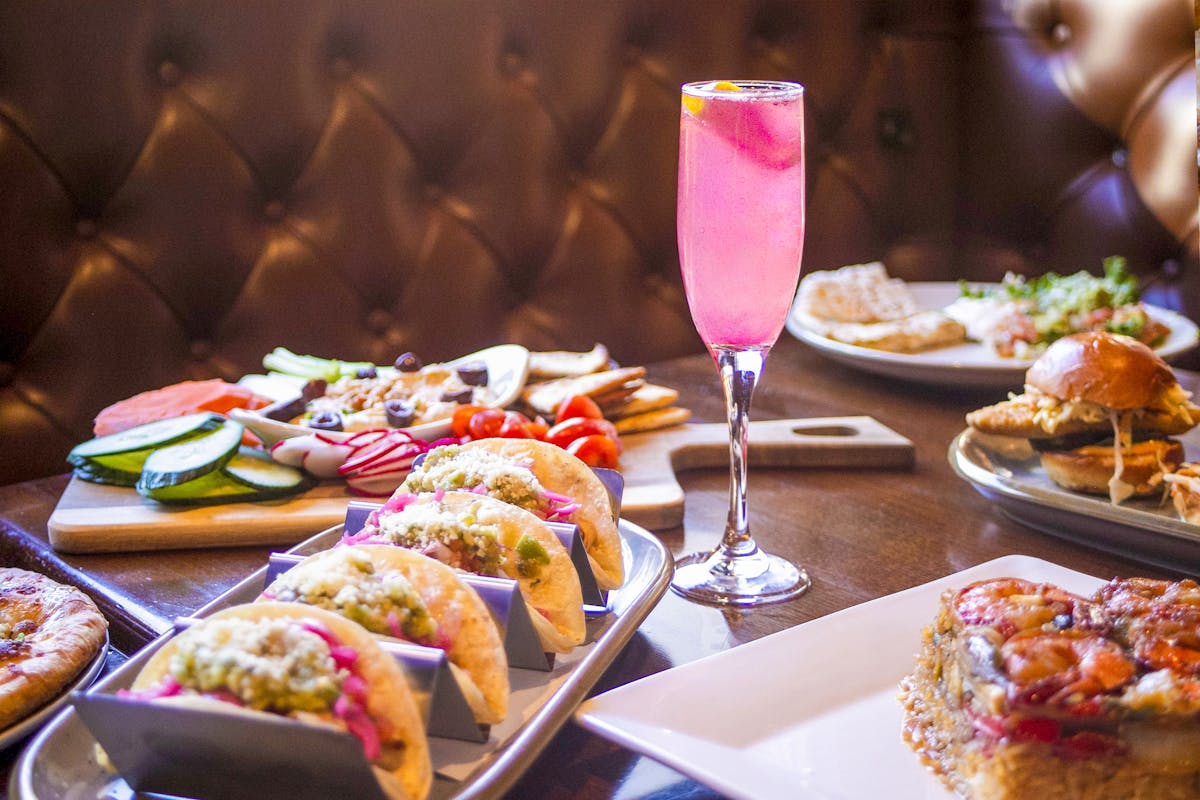
In a neighborhood filled with dining options, Harvard Gardens has built its reputation on quality across every aspect of the operation. The Harvard Gardens wine list and cocktails receive the same attention as the kitchen's Italian-American fare, creating a complete dining experience rather than simply a place to grab a drink or a meal. The beverage program has evolved significantly over the decades, moving from a straightforward bar offering to a thoughtfully curated selection that appeals to both casual drinkers and serious enthusiasts.
The venue's longevity comes from its ability to adapt while maintaining core values. Management has updated the wine and cocktail programs to match contemporary tastes without abandoning the classics that built the bar's reputation. This balance makes Harvard Gardens particularly appealing to Beacon Hill residents who want a reliable neighborhood spot that doesn't feel stuck in time.
Harvard Gardens Wine List: Curated Selections for Every Palate
The wine program at Harvard Gardens follows a philosophy of accessibility paired with quality. Rather than overwhelming guests with an encyclopedic list, the selection focuses on well-chosen bottles that complement the Italian-American menu while offering enough variety to satisfy different preferences and occasions.
Italian wines naturally feature prominently, given the kitchen's culinary direction. The list includes several Chianti options ranging from everyday drinking wines to more structured Riserva bottlings. Piedmont representation includes both Barbera and Nebbiolo-based wines, providing options for those seeking lighter, fruit-forward reds or more complex, age-worthy selections. From the south, Primitivo and Nero d'Avola appear regularly, offering robust flavors that pair well with heartier pasta dishes and meat entrees.
The white wine selection balances crisp, refreshing options with more textured choices. Pinot Grigio and Vermentino provide the kind of clean, mineral-driven profiles that work well as aperitifs or alongside lighter seafood preparations. For guests seeking more body and complexity, the list includes Italian whites with more character—perhaps a Soave Classico or a Gavi di Gavi that brings more weight to the table.
Beyond Italian borders, the Harvard Gardens wine list and cocktails program includes French selections that add classical wine regions to the mix. Burgundy appears in both red and white expressions, though the focus stays on village-level wines rather than grand cru bottlings that would push the program into territory inconsistent with the venue's approachable positioning. Bordeaux blends and Rhône Valley wines round out the French offerings, providing structure and complexity for guests seeking these profiles.
New World wines fill out the list with California Cabernet Sauvignon and Chardonnay representing the most recognizable American wine styles. These selections cater to guests who prefer familiar territory or who want the riper fruit profiles that California delivers. The occasional appearance of wines from Washington State, Oregon, or international regions like Argentina and Australia adds variety without overwhelming the core selection.
The by-the-glass program gives guests a thoughtful selection that allows them to explore different styles without committing to a full bottle. This approach particularly benefits solo diners, couples wanting to try multiple wines with different courses, or anyone stopping by the bar for a drink and small plate. Rather than limiting glass pours to the most basic options, Harvard Gardens offers wines that let guests experience quality without the full bottle commitment.
Half-bottle options appear periodically on the list, addressing the needs of couples who want a full wine experience without the volume of a standard 750ml bottle. This consideration shows the venue understands how people actually dine—not everyone wants or needs a full bottle, but many appreciate having more than a single glass.
The wine program integrates smoothly with the food menu. Staff can guide guests toward pairings that enhance both the wine and the dish, whether that means matching a bright Vermentino with seafood pasta or suggesting a Chianti Classico alongside a red sauce preparation. This level of service elevates the experience beyond simply ordering from a list.
Wine storage and service receive proper attention. Bottles are kept at appropriate temperatures, whites are served chilled but not ice-cold, and reds are served at temperatures that allow their flavors to express themselves fully. Glassware is clean and appropriate for the wine being served.
Signature Cocktails and Bar Program
The bar at Harvard Gardens has been mixing drinks for decades, and that legacy informs the current cocktail program. The approach balances respect for classic cocktails with contemporary techniques and seasonal creativity.
Classic cocktails form the foundation of the program. A properly made Manhattan, Martini, or Old Fashioned represents the kind of fundamental bar skills that separate competent bartenders from excellent ones. Harvard Gardens takes these standards seriously, using quality spirits and proper technique to deliver drinks that honor the recipes while adding the bar's particular style. The Negroni receives careful attention—equal parts gin, Campari, and sweet vermouth, stirred and served over ice with an orange twist.
House cocktails showcase the bar's creativity while remaining grounded in drinkability. These offerings change periodically, using seasonal ingredients and evolving tastes. A summer cocktail might incorporate fresh herbs or citrus, while winter brings darker spirits and warming spices. The key is balance—these drinks aim to please rather than challenge, making them accessible to guests who want something interesting without venturing too far from familiar territory.
The spirit selection behind the bar provides the raw materials for both classic and contemporary cocktails. The whiskey collection includes bourbon, rye, and Irish whiskey across various price points, allowing bartenders to match the spirit to the drink and the guest's preferences. Gin options range from London Dry styles to more contemporary botanical-forward expressions. Vodka, tequila, and rum round out the base spirits, each category represented by reliable workhorses and premium options.
Amari and digestifs occupy their own category in the beverage program. These Italian liqueurs connect directly to the restaurant's culinary identity while offering guests a traditional way to end a meal. Fernet-Branca, Averna, and Montenegro appear regularly, along with grappa for those seeking a more assertive finish. The bar staff can guide guests through these options, explaining flavor profiles and suggesting appropriate serving temperatures.
Seasonal rotations keep the cocktail program fresh for regulars while maintaining enough consistency that occasional visitors can find familiar options. A spring menu might feature lighter, floral notes, while fall brings apple, pear, and warming spices. This rotation aligns with the kitchen's seasonal approach, creating coherence across the entire dining experience.
The bar scene itself varies by time and day. Early evening might find neighborhood regulars claiming their usual spots, while later hours bring a younger crowd seeking quality drinks in a space with character. Weekend nights can get busy, particularly when the dining room fills up and guests wait for tables at the bar. The bartenders manage this flow with practiced efficiency, maintaining quality even during peak service.
Beer and cider options complement the Harvard Gardens wine list and cocktails without overwhelming them. The selection includes local craft options alongside more familiar domestic and imported choices. This allows guests who prefer beer to find something appealing without the venue attempting to be a craft beer destination—the focus remains on wine and cocktails, with beer as a supporting player.
The beverage program is curated rather than exhaustive, quality-focused rather than quantity-driven, and aligned with the food menu and venue identity. This coherence makes the experience feel intentional rather than haphazard.
Harvard Gardens Seasonal Menu Items: What to Expect Year-Round
The seasonal approach at Harvard Gardens comes from both culinary philosophy and practical reality. Italian-American cuisine has always responded to ingredient availability, and the restaurant maintains this tradition by adjusting offerings throughout the year while keeping core menu items consistent.
Spring brings the first fresh vegetables after winter's root vegetable dominance. Asparagus appears in pasta preparations and as a side dish, its bright, grassy flavor signaling the season's arrival. Peas, both English and snap varieties, add sweetness and color to dishes. Artichokes, when available, might appear in preparations that highlight their delicate flavor. The kitchen uses these ingredients to lighten the menu after winter's heavier fare, creating dishes that feel appropriate for warming weather.
Summer Harvard Gardens seasonal menu items take full advantage of peak produce. Tomatoes reach their flavor apex, making this the ideal time for dishes that showcase them—whether in fresh preparations, light sauces, or as components in larger dishes. Zucchini and summer squash appear regularly, their mild flavor and tender texture working well in various applications. Fresh herbs grow abundantly, and the kitchen uses them generously to brighten dishes. Corn might make appearances, its sweetness adding an American touch to Italian preparations.
Fall transitions the menu toward heartier territory. Mushrooms become more prominent, their earthy flavors pairing well with pasta, risotto, and meat dishes. Winter squash varieties appear, their sweet, dense flesh adding richness to preparations. Brussels sprouts, when done well, offer a satisfying combination of caramelized exterior and tender interior. The kitchen begins incorporating more braised preparations and richer sauces as temperatures drop.
Winter Harvard Gardens seasonal menu items embrace comfort and warmth. Root vegetables like carrots, parsnips, and celery root appear in various forms. Hearty greens such as kale and Swiss chard add color and nutrition to the plate while standing up to robust flavors. Citrus provides brightness during darker months, its acidity cutting through richer dishes. Braised meats and slow-cooked preparations become more common, offering the kind of satisfying warmth that cold weather demands.
The seasonal approach extends beyond vegetables to proteins and preparations. Lighter seafood preparations dominate warmer months, while winter might bring more substantial meat dishes. The kitchen adjusts cooking techniques seasonally as well—grilling features more prominently in summer, while braising and roasting take over in winter.
Regulars appreciate this seasonal rotation because it provides variety without completely upending the menu. The core offerings that define Harvard Gardens remain available year-round, but seasonal additions keep the experience fresh. A guest who visits quarterly will notice changes that match the time of year while still finding familiar favorites.
The seasonal menu philosophy also connects to the beverage program. Lighter wines and refreshing cocktails align with spring and summer menus, while fuller-bodied wines and spirit-forward cocktails complement fall and winter fare. This integration creates a cohesive dining experience where food and drink choices reinforce each other.
Special occasions and holidays bring their own seasonal considerations. Thanksgiving week might feature dishes that nod to the holiday while maintaining the restaurant's Italian-American identity. The period between Thanksgiving and New Year's sees increased demand for festive dining, and the menu includes options appropriate for celebration while staying true to the venue's core identity.
From the Kitchen: Menu Highlights and Guest Favorites
The food menu at Harvard Gardens centers on Italian-American cuisine executed with quality ingredients and proper technique. This is not the place for deconstructed dishes or molecular gastronomy—the kitchen focuses on delivering satisfying, well-prepared food that pairs naturally with the Harvard Gardens wine list and cocktails.
Pasta occupies a central position on the menu, as it should in any Italian-American restaurant worth visiting. The kitchen prepares multiple pasta dishes, ranging from classic red sauce preparations to cream-based options and oil-based treatments. The best pasta dishes depend on personal preference—those who love traditional Italian-American flavors gravitate toward red sauce preparations, while guests seeking richness often choose cream-based options. The pasta itself receives proper attention, cooked to appropriate doneness and sauced correctly so the pasta and sauce integrate rather than existing as separate components on the plate.
The kitchen executes traditional preparations with care. Long-simmered sauces develop the kind of depth that comes only from patient cooking. Served over fresh pasta, these dishes exemplify the Italian-American tradition of taking regional Italian preparations and adapting them to American tastes and ingredients.
Portion sizes match American dining expectations while avoiding the excessive quantities that leave guests uncomfortably full. A pasta dish provides a satisfying main course without requiring a takeout container for leftovers, though appetites vary and some guests do take food home. The kitchen balances generosity with appropriateness, understanding that most diners want to feel they received good value without feeling obligated to overeat.
Appetizers range from classic Italian-American starters to options that showcase seasonal ingredients. These dishes work well for sharing, allowing groups to sample multiple flavors before main courses arrive. The appetizer selection also serves solo diners and bar guests who want something more substantial than bar snacks but less than a full entree.
Entrees beyond pasta include meat and seafood preparations that follow Italian-American culinary traditions. The kitchen handles these proteins with attention, using cooking methods that suit each ingredient. A chicken dish might be pan-roasted or braised depending on the preparation, while fish receives treatment that preserves moisture and enhances natural flavors.
The menu structure allows for different dining experiences within the same venue. Guests can build a multi-course meal with appetizers, pasta, and entrees, or they can order a single pasta dish and call it dinner. The bar menu provides options for those who want to eat while drinking without committing to a full dining room experience. This flexibility accommodates various occasions and appetites.
Side dishes and accompaniments receive appropriate attention rather than being afterthoughts. Vegetables are cooked properly—not mushy, not raw, but to a point where they retain character while becoming tender. Starches complement main dishes without overwhelming them.
The kitchen's consistency matters. A dish ordered in March should closely resemble the same dish ordered in October, accounting for seasonal ingredient variations. This reliability builds trust with regulars and ensures that first-time visitors have an experience that matches the restaurant's reputation.
Harvard Gardens Takeout and Delivery Options
The Harvard Gardens takeout and delivery options provide access to the restaurant's food for guests who prefer dining at home or need the convenience of off-premise service. The venue has adapted to increased demand for takeout while maintaining food quality during transport.
Ordering takeout directly through the restaurant remains an option, either by phone or through the venue's website. This direct approach provides the most control over order details and timing. Guests can ask questions about dishes, request modifications, and get accurate estimates for pickup times. For those familiar with the menu, phone ordering offers a quick, straightforward process.
Third-party delivery platforms extend the restaurant's reach to customers who prefer delivery service. These platforms handle the logistics of getting food from the restaurant to the customer's location, though they add service fees and delivery charges that increase the total cost. The convenience factor appeals to many diners, particularly during inclement weather or when coordinating group orders.
Not all menu items travel equally well. Fried foods lose their crispness during transport, though they can be refreshed in a home oven with reasonable success. Pasta dishes generally travel well if properly packaged, maintaining temperature and texture for the relatively short journey to most Beacon Hill and nearby locations. Sauced dishes require careful packaging to prevent leaks and spills—the restaurant uses containers designed to contain liquids while allowing some ventilation to prevent sogginess.
Packaging quality affects the takeout experience significantly. Sturdy containers that maintain temperature, prevent leaks, and stack securely make the difference between food that arrives in good condition and food that arrives as a disappointing mess. Harvard Gardens uses packaging appropriate for the food being transported, understanding that the container is part of the product when food leaves the building.
Timing considerations matter for takeout orders. Calling ahead or placing orders during slower periods results in faster preparation and pickup. Peak dining hours—early evening on weekends—mean longer wait times as the kitchen balances dine-in and takeout orders. Guests who plan ahead and order during off-peak times generally have smoother experiences.
The takeout experience differs from dining in the restaurant, and expectations should adjust accordingly. The ambiance, service, and beverage program that define the in-house experience don't translate to eating at home. However, the food quality should remain consistent, allowing guests to enjoy Harvard Gardens' cooking in their own space.
Reheating instructions can improve the at-home experience for dishes that cool during transport. Pasta dishes benefit from a brief stint in a covered pan with a splash of water or stock to revive the sauce. Proteins can be gently reheated in an oven rather than a microwave to better preserve texture. These small steps help bridge the gap between restaurant-fresh and delivered food.
Planning Your Visit to Harvard Gardens
Harvard Gardens accepts reservations for the dining room, particularly during peak hours. Making a reservation guarantees a table at a specific time, eliminating uncertainty and wait times. The bar area operates on a first-come, first-served basis, offering a more casual option for guests who prefer spontaneity or are dining solo.
The venue is located at the corner of Cambridge and North Anderson Streets in Beacon Hill, accessible by public transportation and within walking distance of many downtown Boston locations. Street parking in Beacon Hill can be challenging, particularly during peak hours. Guests driving to the restaurant should plan extra time to find parking or consider using nearby parking garages.
The combination of quality food, a thoughtfully curated beverage program, and a welcoming atmosphere has made Harvard Gardens a neighborhood fixture. Whether you're stopping by the bar for a cocktail and appetizer or settling in for a full dinner with wine pairings, the Harvard Gardens wine list and cocktails complement an Italian-American menu that respects tradition while staying relevant to contemporary tastes.